As we continue to rely more and more on technology in our everyday lives, it's becoming increasingly important to learn how to protect ourselves from phishing scams. With scammers getting more sophisticated each day, it's becoming harder to spot fraudulent emails, which is why knowing how to identify a suspicious phishing email is so crucial.
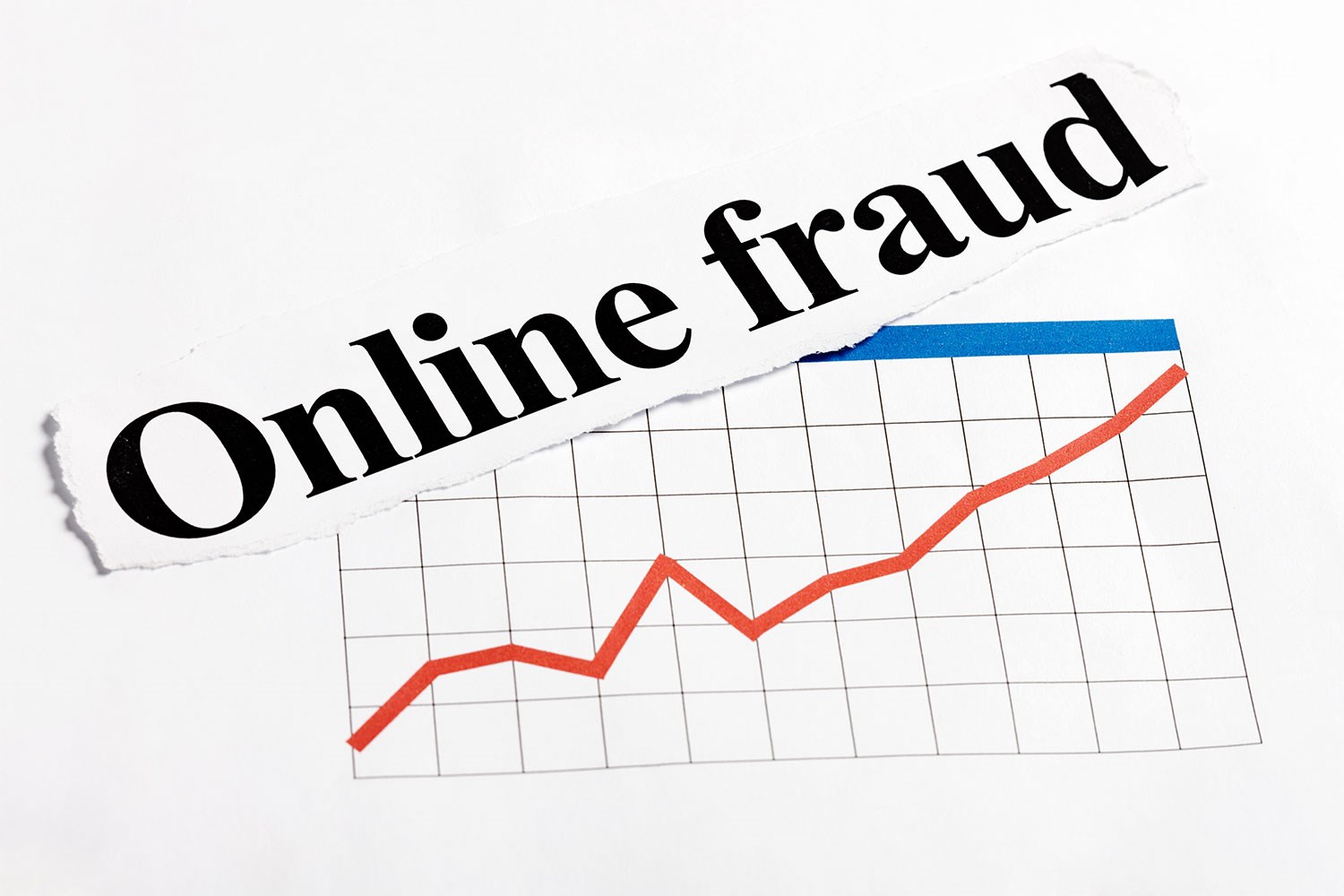
Fortunately, there are several red flags that you can keep an eye out for when looking at an email that may be a scam. One of the biggest clues is the email address – scammers often use fake or slightly altered email addresses in an attempt to fool unsuspecting victims. If an email address seems suspicious or doesn't match the company or organization it's supposedly coming from, it's a good idea to be cautious.
Another red flag to watch out for is language that seems off. Scammers often use poor grammar, awkward phrasing, or overly formal language in an attempt to seem more legitimate. If an email just doesn't quite sound right, it may be a scam.
Of course, the best way to protect yourself from phishing scams is to educate yourself about them. There are many resources available online that can help you learn more about what to look for in a suspicious email, and what steps to take if you believe you have received a phishing email.
In the end, it's always better to be safe than sorry. By being vigilant and staying informed, you can help protect yourself from falling victim to a potentially devastating phishing scam. So take the time to learn more about identifying suspicious emails – your bank account (and your peace of mind) will thank you!
headline